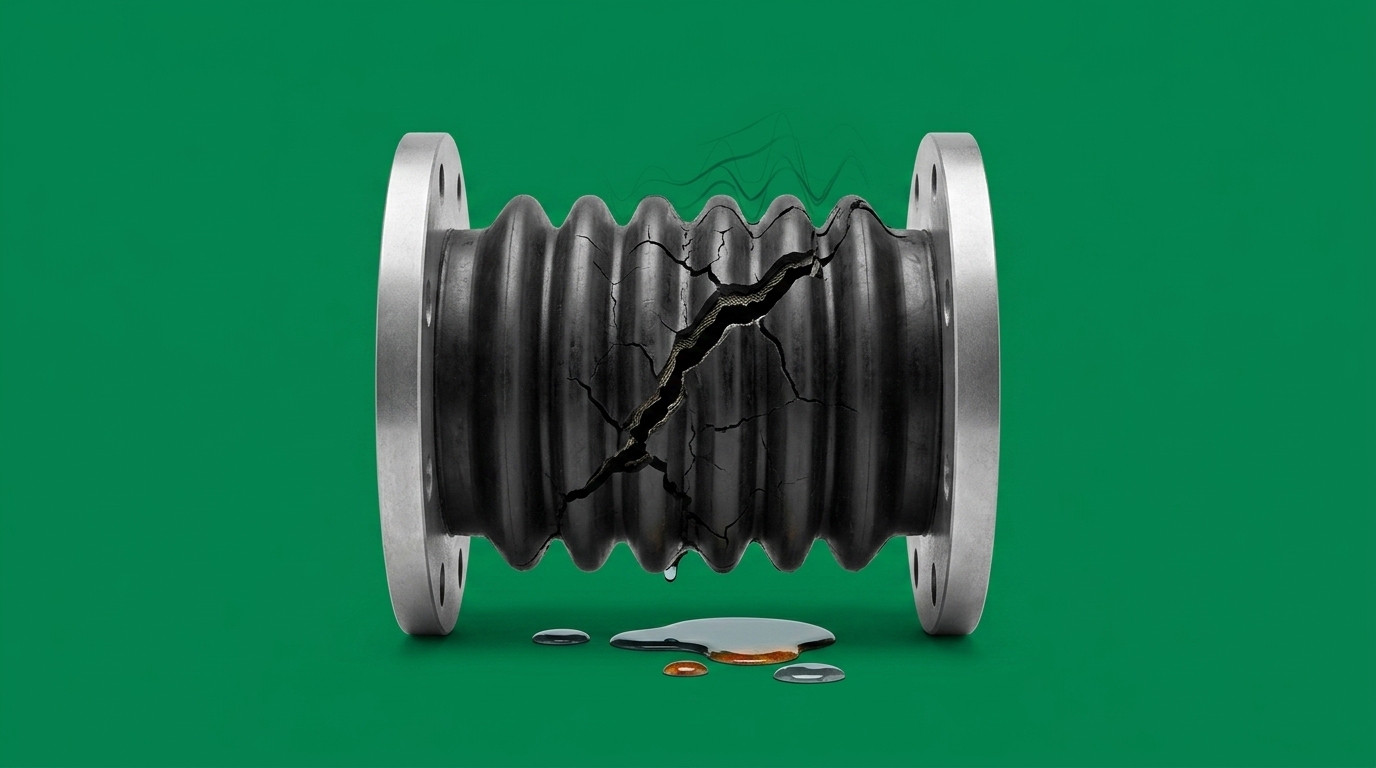


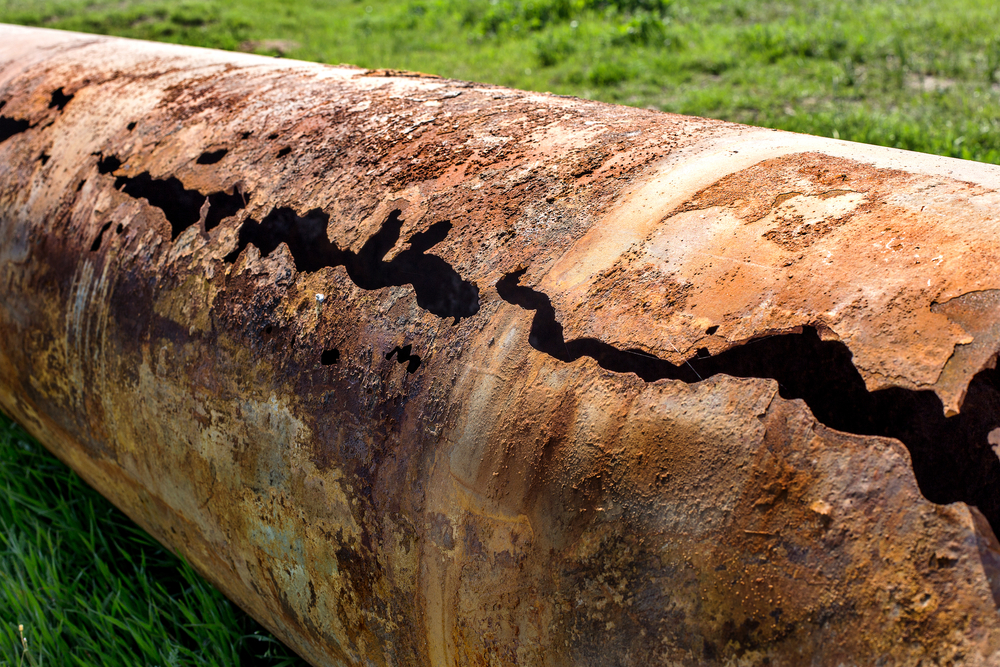
Metal corrosion is a natural and usually electrochemical process in which metal is gradually degraded by reaction with the surrounding environment (oxygen, moisture, salts, and acids) and is converted into more stable compounds such as oxide, hydroxide, or sulfide; such as the rusting of iron. This phenomenon damages structures, pipelines, tanks, and industrial equipment and brings heavy repair and production shutdown costs.
In this guide, you will learn how corrosion occurs, what types it has, how to control it, and with what materials to repair the surface in case of damage. If your part or equipment is suffering from corrosion right now, the technical team of Klevers Aryana is ready to evaluate and provide a solution (contact methods at the end of the article).
In this article you will read
- What is metal corrosion?
- Corrosion mechanism (anodic and cathodic reaction)
- Types of metal corrosion (comparison table)
- Factors affecting corrosion
- Corrosion prevention and control methods
- Corrosion measurement and monitoring methods
- Corrosion in different industries
- Important corrosion standards
- Case study: Collapse of the Silver Bridge
- Corrosion repair materials and the Klevers Aryana solution
- Frequently asked questions
- Sources and references
What is metal corrosion?
Corrosion is the gradual degradation of a material (in most cases metal) due to chemical or electrochemical reaction with the environment. Metals usually exist in nature in the form of ore (oxide or sulfide); we convert them into pure metal by spending energy, and corrosion is in fact the natural return of the metal to its more stable original state.
This phenomenon has a direct effect on safety and economy in the construction, transportation, oil and gas, marine, and energy production industries. Understanding the mechanism and type of corrosion is the first step in choosing the right control method.
How does the metal corrosion mechanism work?
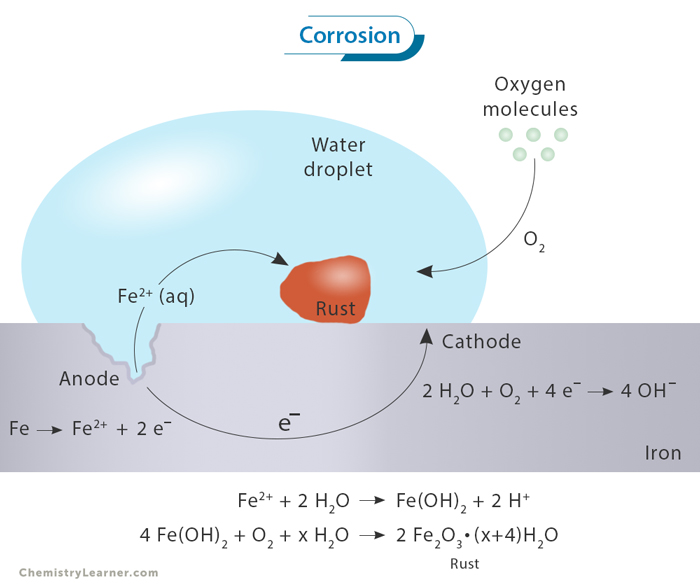
In most cases, corrosion is an electrochemical reaction and involves the transfer of electrons. For it to occur, four elements are necessary: anode, cathode, electrolyte (such as water containing salt), and electron transfer path.
- Anodic reaction: Metal atoms lose electrons and become positive ions. For example: Fe → Fe²⁺ + 2e⁻
- Cathodic reaction: The released electrons are consumed. In an acidic environment: O₂ + 4H⁺ + 4e⁻ → 2H₂O
The role of oxygen and moisture: Oxygen facilitates the cathodic reaction and environmental moisture provides for the movement of ions. Stagnant water and high humidity accelerate corrosion.
Local changes in the environment: In crevices or under deposits, the local environment can become more acidic and low in oxygen and intensify localized corrosion such as pitting.
Types of metal corrosion
Based on environmental conditions, metal type, and location, corrosion is divided into the following types:
| Corrosion type | Mechanism | Example | Main control method |
|---|---|---|---|
| Uniform | Uniform attack on the entire surface and gradual thinning | Rusting of steel in a humid environment | Coating, paint, inhibitor |
| Galvanic | Connection of two different metals in the presence of an electrolyte; the less noble metal corrodes faster | Aluminum connected to stainless steel in seawater | Metal compatibility, insulation, sacrificial anode |
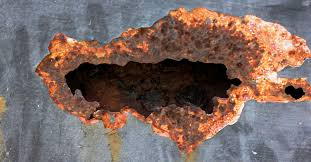
| Pitting | Localized corrosion and creation of small and deep pits | Stainless steel in a chloride environment | Molybdenum-containing alloy, chloride control |
| Crevice | Oxygen deficiency and the environment becoming aggressive in confined spaces | Crevice between bolt and flange | Design without crevices, sealing |
| Intergranular | Attack on grain boundaries due to improper heat treatment | Sensitization of stainless steel at high temperature | Low-carbon steel, correct heat treatment |
| Stress corrosion cracking (SCC) | Combination of tensile stress and corrosive environment | Cracking of pressurized pipes containing corrosive fluid | Stress reduction, choosing the right material |
| Erosion | Combination of mechanical wear and chemical attack | Impeller of pumps transferring abrasive fluid | Wear-resistant composites, reducing flow velocity |
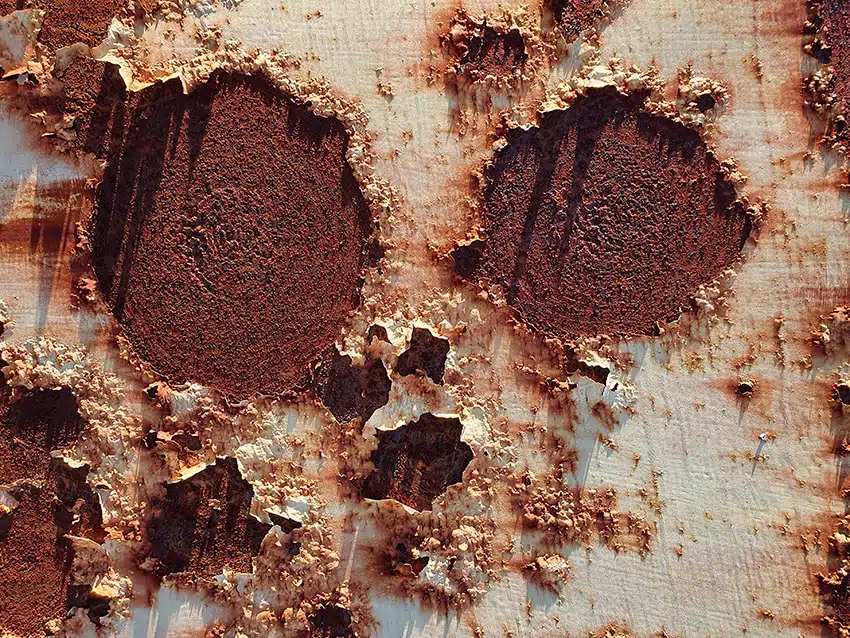
Uniform corrosion is the most common type and, because it is predictable, is also considered the most benign type. In contrast, localized corrosions (pitting, crevice, and stress) occur without prior warning and are more dangerous.
Factors affecting metal corrosion
1. Chemical composition of the metal: Chromium increases resistance by creating a protective oxide layer; nickel improves structural stability and corrosion resistance; molybdenum increases resistance to pitting corrosion; and high carbon increases susceptibility to intergranular corrosion by forming carbide at grain boundaries.
2. Environmental conditions: Increasing temperature raises the rate of reactions, high humidity provides the conditions for electrochemical corrosion, acidic or highly alkaline pH destroys the protective layer, and thermal cycles can crack the protective layer.
3. Aggressive ions: Chloride ion destroys the passive layer and causes pitting corrosion. Sulfates and nitrates also play a role in some conditions, and the simultaneous presence of several ions can have an intensifying effect. Dissolved oxygen also plays an important role in the cathodic reaction.
4. Mechanical stresses: Tensile stress increases susceptibility to SCC, cyclic stresses cause corrosion fatigue, and residual stresses from welding or heat treatment create corrosion-prone points.
Metal corrosion prevention and control methods
1. Choosing the right material: Using stainless steel or titanium alloys in corrosive environments, observing galvanic compatibility when connecting metals, and using composites and polymers in highly corrosive environments.
2. Coating: Industrial paints (epoxy, polyurethane, silicone), metallic coatings (hot-dip galvanizing, nickel-chromium plating), conversion coatings (phosphating, chromating), and ceramic coatings for high temperatures.
3. Corrosion inhibitors: Anodic types (chromates and nitrates), cathodic (zinc compounds), adsorption (amines and organic compounds), and vapor phase for protection in packaging.
4. Proper design: Preventing water accumulation, avoiding crevices and small gaps, providing drainage paths, and designing for easy access for inspection and repair.
5. Cathodic and anodic protection: Cathodic protection with impressed current or sacrificial anode, anodic protection for passivating metals, and monitoring of protective potential.
Corrosion measurement and monitoring methods
- Electrochemical tests: Polarization curve, electrochemical impedance spectroscopy (EIS), open circuit potential, and electrochemical noise
- Microscopic examination: Optical microscope, SEM, elemental analysis, and metallography to determine corrosion penetration depth
- Mechanical tests: Tensile in corrosive environment, corrosion fatigue, stress corrosion, and hardness testing
- Monitoring: Corrosion coupon, electrical resistance probe, non-destructive thickness measurement, and online sensors
Corrosion in different industries
Oil and gas: Pipes are exposed to sulfur compounds, chloride, and carbon dioxide, and the presence of water along with oil and gas causes internal corrosion. Inhibitors, internal and external coating, and cathodic protection are common methods.
Marine: The high concentration of chloride in seawater and the growth of marine organisms (microbial corrosion) threaten the hulls of ships, docks, and oil platforms. The combination of anti-corrosion coating, sacrificial anode, and cathodic protection is common.
Automotive: Road salt in cold regions accelerates corrosion. Galvanized sheet, electrophoretic coating, and resistant paints are common methods, and the exhaust system requires alloys resistant to temperature and corrosion.
Important corrosion standards
- ASTM G1: Methods for cleaning and evaluating corroded specimens
- ASTM G31: Immersion test
- ASTM G48: Pitting corrosion test of stainless steels
- NACE MR0175 / ISO 15156: Material requirements in environments containing sulfur in the oil and gas industry
- ISO 8044: Corrosion terms and definitions
- ISO 9223: Classification of atmospheric corrosivity
Case study: Collapse of the Silver Bridge
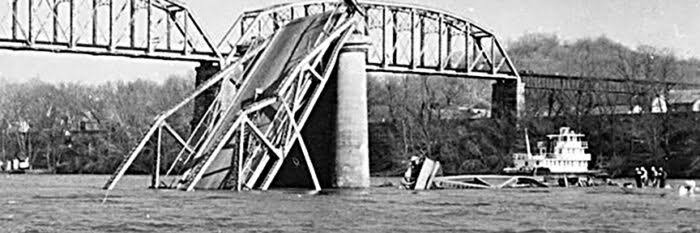
The Silver Bridge in the US state of Ohio suddenly collapsed in 1967. Investigations showed that stress corrosion cracking in one of the connection components (eyebars of the suspension chain) was the cause of the failure. This incident led to the drafting of new bridge inspection standards and showed how dangerous invisible localized corrosion can be. In the aviation industry, corrosion fatigue has also led to a revision of maintenance programs.
In contrast, the use of cathodic protection in large pipelines such as Trans-Alaska and modern coatings in marine industries are examples of successful corrosion control.
Corrosion repair materials and the Klevers Aryana solution
When corrosion has occurred and the surface is damaged, complete replacement of the part is not always possible or cost-effective. Repair materials both restore the surface and prevent re-corrosion:
| Repair material type | Feature | Application |
|---|---|---|
| Metal-reinforced epoxy polymers | Two-component resin with steel, aluminum, or bronze particles; high adhesion and mechanical strength | Repair of pits, cracks, and surface wear |
| Wear-resistant ceramic composites | Polymer resin with silicon carbide or alumina particles; high resistance to wear and corrosion | Surfaces exposed to corrosive and abrasive flow (pump, impeller) |
| Modified polyurethane coatings | Flexible, resistant to chemicals and weather conditions | Surfaces under vibration and deformation |
| Self-healing coatings | Microcapsules that release repair material when cracked | Increasing coating life and repairing micro-cracks |
| Modified cement mortars | Containing corrosion inhibitor and modifying polymer | Repair of concrete with corroded rebar |
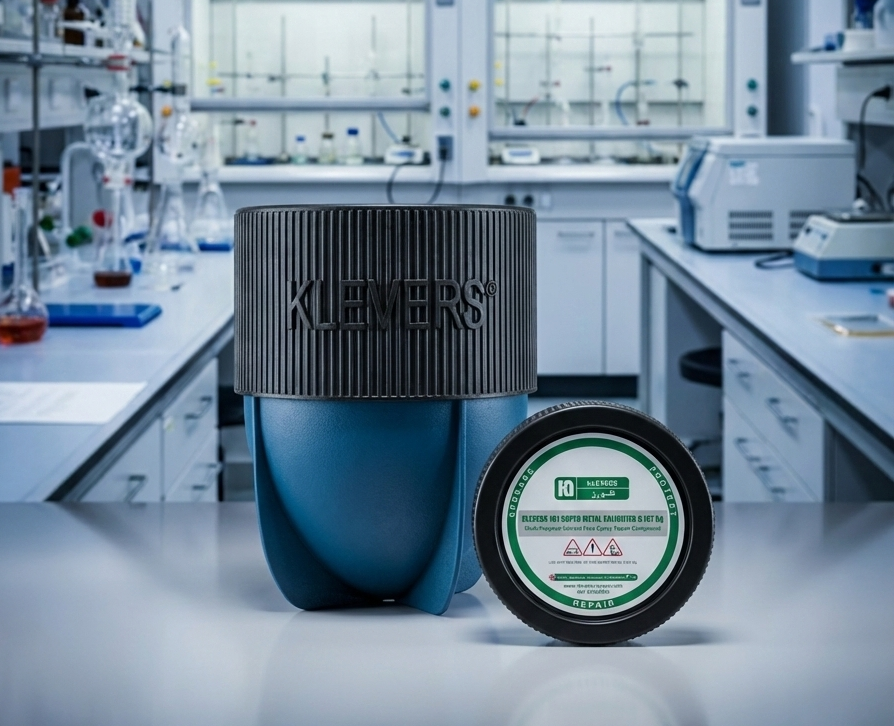
Execution tips for successful repair:
- Surface preparation: The surface must be free of rust, grease, and contamination (sandblasting or brushing).
- Environmental conditions: Temperature and relative humidity during application must be within the manufacturer’s allowed range.
- Thickness and curing time: Must be observed according to the product’s technical instructions.
Choosing the wrong repair material or insufficient surface preparation is the most common reason for repair failure.
Do you need consultation for repair or preventing corrosion?
Klevers Aryana experts, by examining the type of corrosion, the material of the part, and the working conditions, suggest the most suitable repair material and application method for you.
- Contact the expert: 021 – 91305505
- Request online consultation: Contact form
Frequently asked questions about metal corrosion
What is metal corrosion?
Corrosion is a chemical or electrochemical process during which metal is gradually degraded by reaction with the environment (oxygen, moisture, salt, and acid) and is converted into compounds such as oxide or hydroxide.
Why do metals corrode?
Because metals are unstable in their pure state and tend to return to a more stable form (oxide, sulfide, etc.). The presence of oxygen, moisture, ions such as chloride, and high temperature accelerate this process.
What is the most common type of corrosion?
Uniform corrosion is the most common type, but localized corrosions such as pitting and stress are more dangerous due to being unpredictable.
How do we prevent metal corrosion?
By choosing the right material, coating, using inhibitors, designing without crevices and water traps, and cathodic protection. For damaged parts, suitable repair materials are also used.
What is the difference between corrosion and rusting?
Rusting is the specific name for the corrosion of iron and steel, which leads to the formation of iron oxides (rust). Corrosion is a more general concept and includes all metals.
Do all metals corrode?
Almost all metals corrode under the right conditions, but the rate varies. Metals such as aluminum and stainless steel form a protective oxide layer and are more resistant.
What is the difference between aluminum and iron corrosion?
Iron rust is porous and does not stop corrosion, but the aluminum oxide layer is dense and adherent and protects the underlying metal; however, in highly acidic, alkaline, or chloride environments it can be degraded.
Who should I contact to repair a corroded part?
For a specialized evaluation of the type of corrosion and choosing the right repair material, you can contact Klevers Aryana experts.
Conclusion
Metal corrosion is a complex phenomenon with a direct effect on the safety and economy of industries. Understanding the mechanisms, identifying the type of corrosion, and correctly choosing the control method (materials, coating, design, cathodic protection, and monitoring) can greatly reduce costs. Modern approaches such as condition monitoring and predictive maintenance, and continuous training of specialists, are part of integrated corrosion management.
If your equipment is suffering from corrosion or you want to take a preventive solution before damage occurs, contact Klevers Aryana today.
Sources and references
- Fontana, M. G. — Corrosion Engineering, McGraw-Hill
- Roberge, P. R. — Handbook of Corrosion Engineering, McGraw-Hill
- ASM Handbook, Volume 13: Corrosion, ASM International
- ASTM G1, ASTM G31, ASTM G48
- NACE MR0175 / ISO 15156
- ISO 8044 and ISO 9223
- NTSB — Silver Bridge accident report (1967)
This article is a different version of the article “What is metal corrosion?” that was previously published on this site. In that article, more emphasis is placed on repair coating methods.